
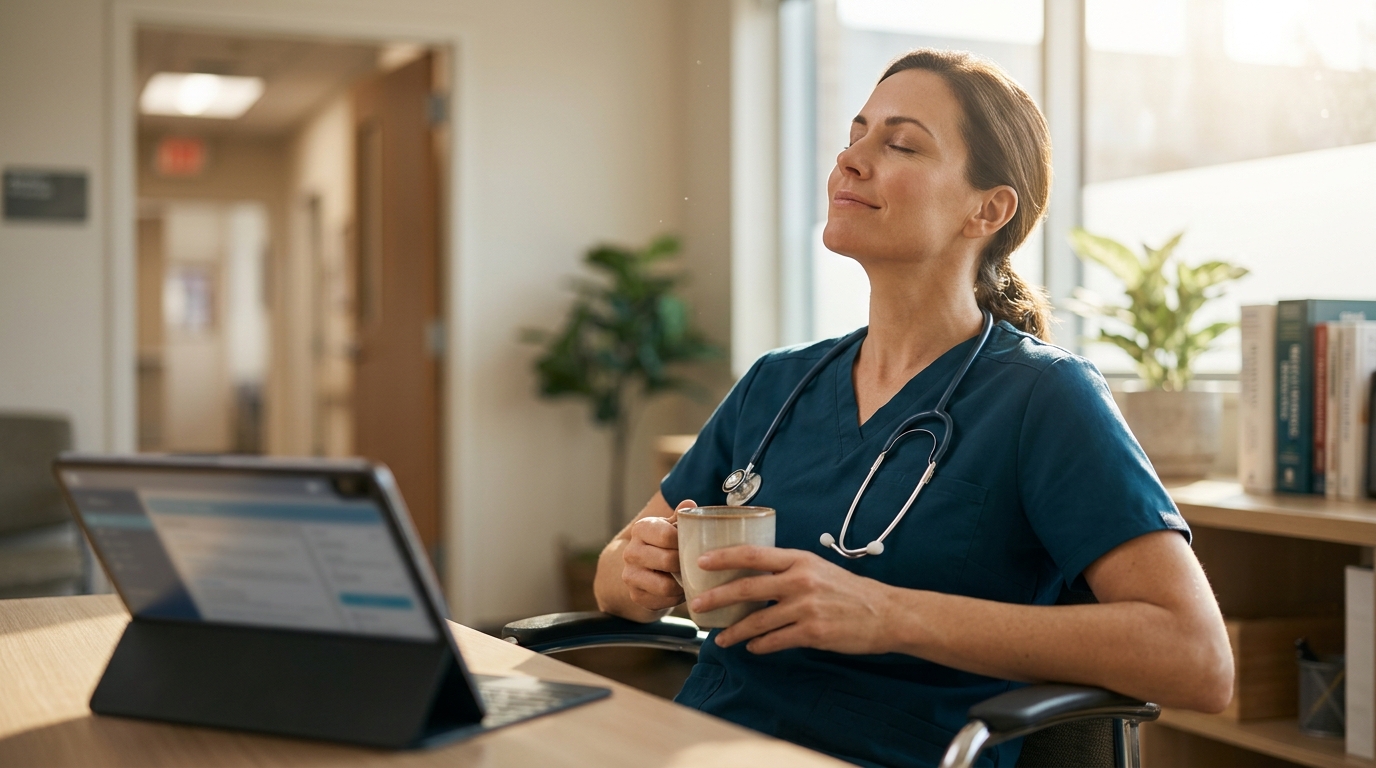
Physician burnout has reached critical levels in modern healthcare, with 74.5% of doctors citing electronic health record (EHR) documentation as a primary driver of their professional exhaustion. This overwhelming administrative burden is not just a personal struggle for individual practitioners but a systemic issue affecting patient care quality across the United States. By delegating real-time charting to a trained remote professional, clinics can reclaim lost hours and restore the human connection that defines exceptional medicine.
Reducing Physician Burnout and Fatigue
The transition from paper charts to complex digital systems has inadvertently created a new form of occupational hazard. Physicians now spend nearly twice as much time on EHR tasks as they do on direct patient care. This imbalance leads to severe cognitive fatigue and emotional detachment, commonly known as burnout. Hiring a remote medical scribe directly addresses this imbalance by offloading the real-time documentation burden.
When a scribe handles the typing, coding, and data entry during a consultation, the physician can maintain eye contact and active listening. This shift allows the doctor to focus entirely on clinical decision-making and patient empathy. According to data from the American Medical Association, scribe usage can save physicians up to 66 minutes per shift. Over the course of a month, this adds up to nearly two full workdays of reclaimed time, significantly reducing the risk of professional exhaustion.
Improving Patient-Physician Interaction
Patient satisfaction is heavily influenced by the perceived attentiveness of their provider. When a doctor is distracted by a screen, patients often feel unheard or undervalued. A remote scribe eliminates this barrier by allowing the physician to engage fully with the patient without interruption. The scribe works invisibly in the background, capturing details that might otherwise be missed due to the physician's focus on the keyboard.
Studies indicate that 57% of patients report better interactions when their doctor is assisted by a scribe. This improvement stems from the physician's ability to look at the patient rather than the monitor. The result is a more trusting relationship, higher adherence to treatment plans, and a more positive overall healthcare experience. This human-centric approach is central to the mission of My Virtual Scribe, which aims to rehumanize the healthcare industry.
Enhancing EHR Documentation Accuracy
Accurate documentation is not just a matter of clinical quality; it is a financial necessity. Incomplete or incorrect notes can lead to claim denials, delayed reimbursements, and potential compliance issues. Remote medical scribes are trained professionals who specialize in medical terminology, coding standards, and EHR navigation. They ensure that every visit is documented comprehensively and accurately in real time.
Unlike a physician who may rush through notes after a long day, a dedicated scribe maintains focus on the details of the encounter. This precision reduces the likelihood of audit flags and ensures that the practice is reimbursed fairly for the complexity of care provided. For practices using complex systems, having a specialist who understands the nuances of electronic health record systems is invaluable for maintaining operational integrity.
Increasing Clinic Revenue Through Efficiency
Time is money in healthcare. When physicians spend less time on documentation, they can see more patients per day without compromising the quality of care. This increased throughput directly translates to higher revenue potential. Furthermore, accurate documentation reduces the administrative overhead associated with correcting errors or appealing denied claims.
By streamlining the documentation process, practices can optimize their scheduling and reduce patient wait times. This efficiency creates a smoother workflow for the entire staff, from front-desk receptionists to billing specialists. The financial benefits of hiring a remote scribe are often realized within the first few months of implementation, making it a high-return investment for any growing practice.

Specialty-Specific Support Capabilities
Different medical specialties have unique documentation requirements. A scribe trained in dermatology understands the specific codes and descriptive language needed for skin lesions, while an oncology scribe is familiar with complex treatment regimens and chemotherapy protocols. My Virtual Scribe offers specialized support tailored to these diverse needs.
- Dermatology: Detailed lesion mapping and procedural documentation.
- Optometry: Precise visual acuity and refractive error recording.
- Dental: Accurate charting of procedures and insurance coding.
- General Practice: Comprehensive history and physical documentation.
This specialization ensures that the documentation is not just accurate but also optimized for the specific workflows of each department. For more information on how these services apply to your specific field, explore our blog resources.
Cost-Effectiveness vs. In-House Scribes
Traditional in-house scribes require significant overhead, including salary, benefits, training, and workspace. Remote scribes eliminate many of these costs by operating virtually. This model allows practices to scale their documentation support up or down based on patient volume without the commitment of a full-time employee.
My Virtual Scribe provides these services at a competitive rate, making high-quality documentation accessible to small practices and solo practitioners. The flexibility of the remote model also means that practices can access talent regardless of geographic location, ensuring they get the best possible support for their needs. You can view our transparent pricing structure to see how remote scribing fits your budget.
Key Takeaways
- Physician burnout is significantly reduced by offloading EHR documentation to remote professionals.
- Patients report better satisfaction scores when doctors are not distracted by screens during visits.
- Accurate real-time documentation leads to fewer claim denials and faster reimbursements.
- Remote scribes allow physicians to see more patients, increasing overall clinic revenue.
- Specialized scribes are available for dermatology, optometry, dental, and oncology practices.
- Virtual models offer greater cost efficiency and flexibility compared to hiring in-house staff.
- HIPAA compliance and workspace security are maintained through secure VPN connections.
Frequently Asked Questions
How does a remote medical scribe work?
A remote medical scribe connects to your clinic via a secure, HIPAA-compliant video and audio link. They listen to the patient-physician conversation in real time and document the encounter directly into your EHR system. The physician and patient remain alone in the room, preserving privacy and comfort.
Is remote scribing HIPAA compliant?
Yes. Reputable providers like My Virtual Scribe implement strict security measures, including encrypted VPNs and secure workspaces, to ensure all patient data remains protected. Compliance with HIPAA regulations is a core operational standard for all virtual medical assistants.
Can remote scribes handle complex specialties?
Absolutely. Scribes can be trained in specific medical fields such as dermatology, oncology, and optometry. This specialized training ensures that the documentation meets the unique coding and descriptive requirements of each specialty.
How much time can a scribe save per day?
Studies suggest that scribes can save physicians an average of 66 minutes per 8-hour shift. This time can be redirected toward patient care, administrative tasks, or personal well-being, significantly reducing end-of-day fatigue.
What is the cost of hiring a remote scribe?
The cost varies based on the level of service and specialty required. However, remote scribing is generally more cost-effective than hiring in-house staff due to the elimination of benefits and overhead costs. Visit our pricing page for detailed rates.
Do I need special software to use a remote scribe?
No special software is required on your end. The scribe connects via a standard web browser or dedicated secure application. They integrate directly with your existing EHR system, whether it is Epic, Cerner, or another platform.
How quickly can I start using a remote scribe?
Onboarding is typically fast. Once you complete the initial consultation and setup, a trained scribe can begin working with your practice almost immediately. We prioritize quick deployment to help you reduce burnout without delay.
Get Started Today
Reclaim your time and restore the joy of practicing medicine. My Virtual Scribe is ready to support your practice with reliable, HIPAA-compliant documentation services. Contact us today to schedule a consultation and see how we can transform your workflow. Visit our contact page to get started.