

Physician burnout has reached critical levels in modern healthcare, with 74.5% of doctors citing electronic health record (EHR) documentation as a primary cause of their stress. This overwhelming administrative burden is not just a personal struggle for clinicians; it is a systemic issue affecting patient care quality and practice profitability. According to data from the American Medical Association, physicians save an average of 66 minutes per shift when utilizing a dedicated scribe service. This time recovery directly translates to increased patient throughput and reduced clinician fatigue, making the adoption of remote documentation support a strategic imperative for forward-thinking medical practices. (About My Virtual Scribe)
What Is a Virtual Medical Scribe?
A virtual medical scribe is a trained professional who remotely documents patient encounters in real-time. Unlike traditional on-site scribes who sit in the exam room, virtual scribes connect via secure audio and video feeds from a remote location. This model allows healthcare providers to maintain eye contact and physical proximity with their patients without the distraction of screen-based charting.
The core function of a virtual scribe is to translate the clinical conversation into accurate, structured notes within the provider's Electronic Health Record (EHR) system. This process ensures that billing codes are correct, clinical details are preserved, and the medical record is complete for future reference. By offloading this cognitive load, the physician can focus entirely on diagnosis and treatment planning.
The Physician Burnout Crisis
The current healthcare landscape is defined by a tension between clinical excellence and administrative efficiency. Physicians are expected to see more patients in less time while maintaining rigorous documentation standards. This pressure has led to a widespread epidemic of professional burnout.
Research indicates that the average physician spends nearly two hours on EHR tasks for every hour spent with patients. This imbalance contributes to emotional exhaustion and depersonalization, key components of burnout. The American Medical Association reports that 57% of patients feel they have better interactions with their doctors when a scribe is present. This statistic highlights that the solution to burnout is also a solution to patient satisfaction. When a doctor is not typing, they are listening. This shift in dynamic restores the human element of medicine, which is often lost in digital workflows.
How Remote Scribing Works
Implementing a virtual scribe service is a streamlined process that integrates seamlessly into existing clinical workflows. The technology relies on secure, HIPAA-compliant connections to ensure patient privacy and data security.
Step 1: Secure Connection
The physician logs into their EHR system and initiates a secure connection with the virtual scribe. This connection is typically established through a web-based platform that requires no complex installation. The scribe joins the virtual "room" where they can hear the patient and physician clearly.
Step 2: Real-Time Documentation
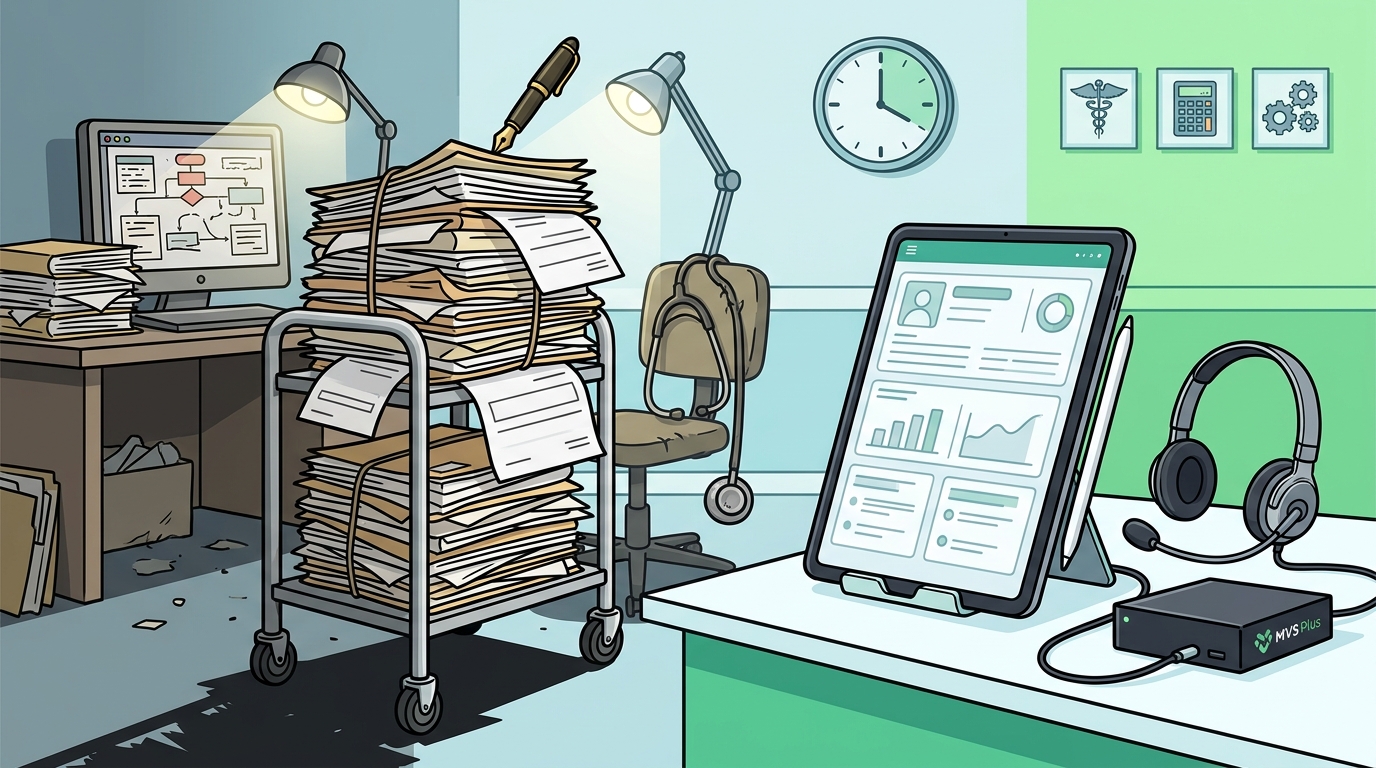
As the consultation unfolds, the scribe listens to the dialogue and documents the history of present illness, physical exam findings, and assessment and plan. The scribe is trained to recognize medical terminology and clinical nuances specific to the provider's specialty. They do not provide medical advice or interact with the patient directly. Their role is purely observational and administrative.
Step 3: Chart Review and Signing
At the end of the encounter, the scribe finalizes the note. The physician reviews the documentation for accuracy and signs the chart. This step ensures that the medical record meets legal and billing standards. The entire process is designed to be invisible to the patient, maintaining the privacy and intimacy of the exam room.
Specialty-Specific Support
Virtual scribing is not a one-size-fits-all solution. Different medical specialties have unique documentation requirements and terminology. Effective virtual scribe services offer specialized training for various fields to ensure accuracy and efficiency.
| Specialty | Key Documentation Focus | Benefit of Virtual Scribe |
|---|---|---|
| Dermatology | Skin lesion descriptions, biopsy sites, and treatment plans | Allows dermatologists to focus on visual examination without looking away |
| Optometry | Vision test results, lens prescriptions, and eye health metrics | Streamlines the documentation of complex eye exams |
| Oncology | Treatment protocols, side effect monitoring, and chemo dosing | Ensures precise documentation of critical treatment details |
| Dental | Procedural codes, oral health assessments, and insurance forms | Reduces administrative backlog in high-volume dental practices |
For example, virtual scribes for dermatologists are trained to describe skin conditions with precision, using standardized terminology that improves billing accuracy. Similarly, oncology scribes understand the complexity of cancer treatment plans, ensuring that every detail of the patient's journey is captured accurately.
Cost vs. Benefit Analysis
Many practice owners hesitate to adopt virtual scribes due to perceived costs. However, the financial benefits often outweigh the investment. By reducing documentation time, physicians can see more patients per day. This increase in volume directly impacts revenue without increasing overhead.
My Virtual Scribe offers competitive pricing models that make this technology accessible to small and medium-sized practices. By hiring a virtual medical scribe, practices can avoid the high costs associated with hiring full-time, on-site staff. The flexibility of the virtual model allows practices to scale their documentation support up or down based on patient volume.
Furthermore, the reduction in burnout leads to lower turnover rates among physicians and staff. Retaining experienced clinicians is far more cost-effective than recruiting and training new ones. The return on investment includes not just immediate revenue gains, but long-term practice stability and clinician well-being.
Key Takeaways
- Burnout Reduction: 74.5% of physicians cite EHR documentation as a major factor in burnout, making scribe services a critical intervention.
- Time Savings: Physicians save an average of 66 minutes per shift with a scribe, allowing for more patient interactions.
- Patient Satisfaction: 57% of patients report better interactions when their doctor is assisted by a scribe.
- Specialty Expertise: Virtual scribes are trained in specific fields like dermatology, oncology, and dental care for accurate documentation.
- HIPAA Compliance: Remote scribing services use secure, VPN-powered workspaces to ensure patient data privacy.
- Founder Experience: My Virtual Scribe was founded by Dr. Behzad Ourmazdi, a neurologist who experienced burnout firsthand.
- Flexible Pricing: Affordable subscription models make virtual scribes accessible to practices of all sizes.
Frequently Asked Questions
Is virtual scribing HIPAA compliant?
Yes, virtual scribing services utilize secure, encrypted connections and VPN-powered workspaces to ensure that all patient data remains protected and compliant with HIPAA regulations.
How does a virtual scribe differ from an on-site scribe?
A virtual scribe works remotely from a secure location, connecting via audio and video feeds. This eliminates the need for physical presence in the exam room, preserving patient privacy and reducing overhead costs for the practice.
What specialties do virtual scribes support?
Virtual scribes support a wide range of specialties, including dermatology, optometry, oncology, dental, and general internal medicine. Each scribe receives specialized training for their assigned field.
How much time can a virtual scribe save?
Studies show that physicians can save up to 66 minutes per 8-hour shift when using a medical scribe. This time can be reinvested into patient care or administrative tasks.
Do I need special software to use a virtual scribe?
No special software is required. Virtual scribes connect through standard web browsers and integrate directly with your existing Electronic Health Record (EHR) system.
How do I hire a virtual scribe?
You can hire a virtual scribe by contacting a service provider like My Virtual Scribe. The process typically involves a consultation to assess your needs, followed by onboarding and training for the scribe.
Can virtual scribes help with billing?
Yes, virtual scribes ensure that documentation is accurate and complete, which supports proper coding and billing. This can reduce claim denials and accelerate reimbursement.
Get Started Today
Reclaim your time and restore the joy of practicing medicine. My Virtual Scribe offers a risk-free trial to help you experience the benefits of remote documentation firsthand. Contact us to learn more about our pricing and how we can support your practice.
Contact My Virtual Scribe to schedule a consultation and take the first step toward a more efficient, fulfilling medical career.