
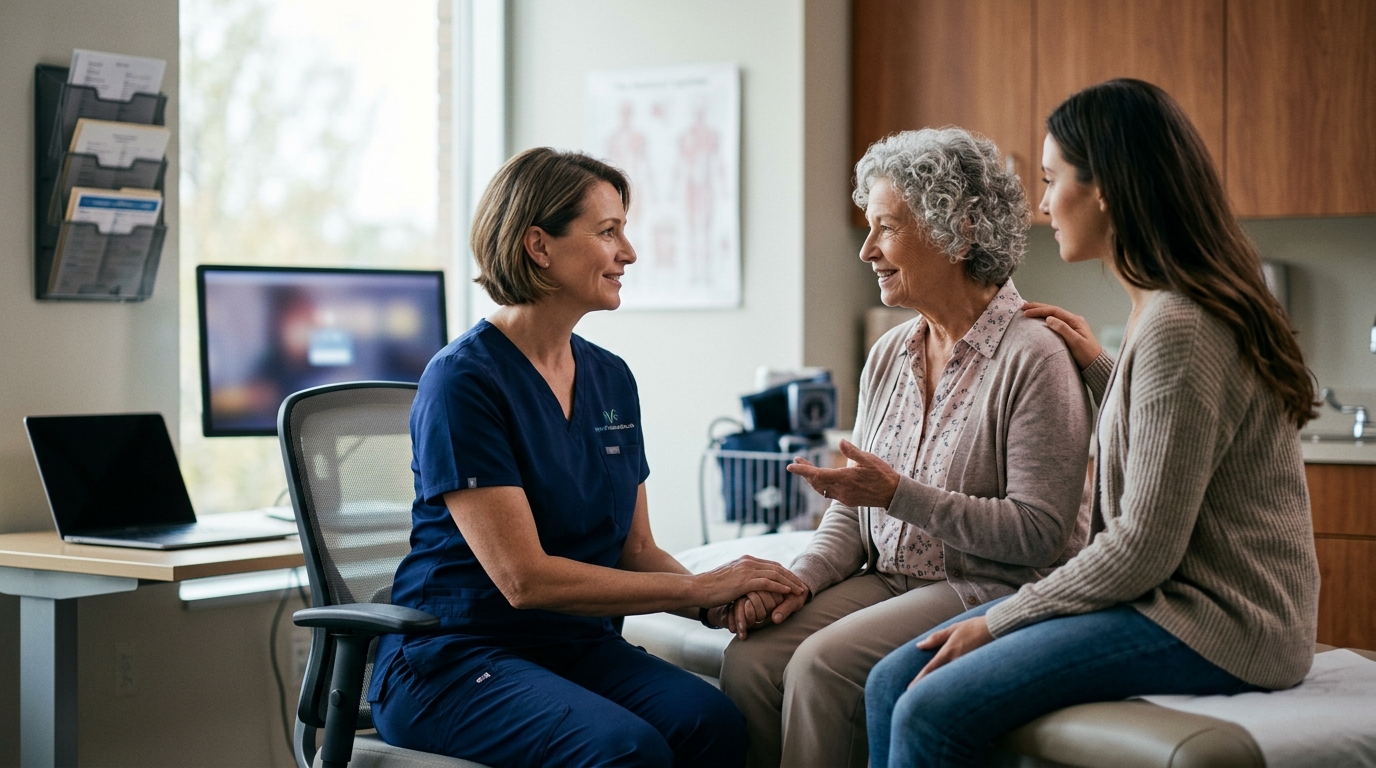
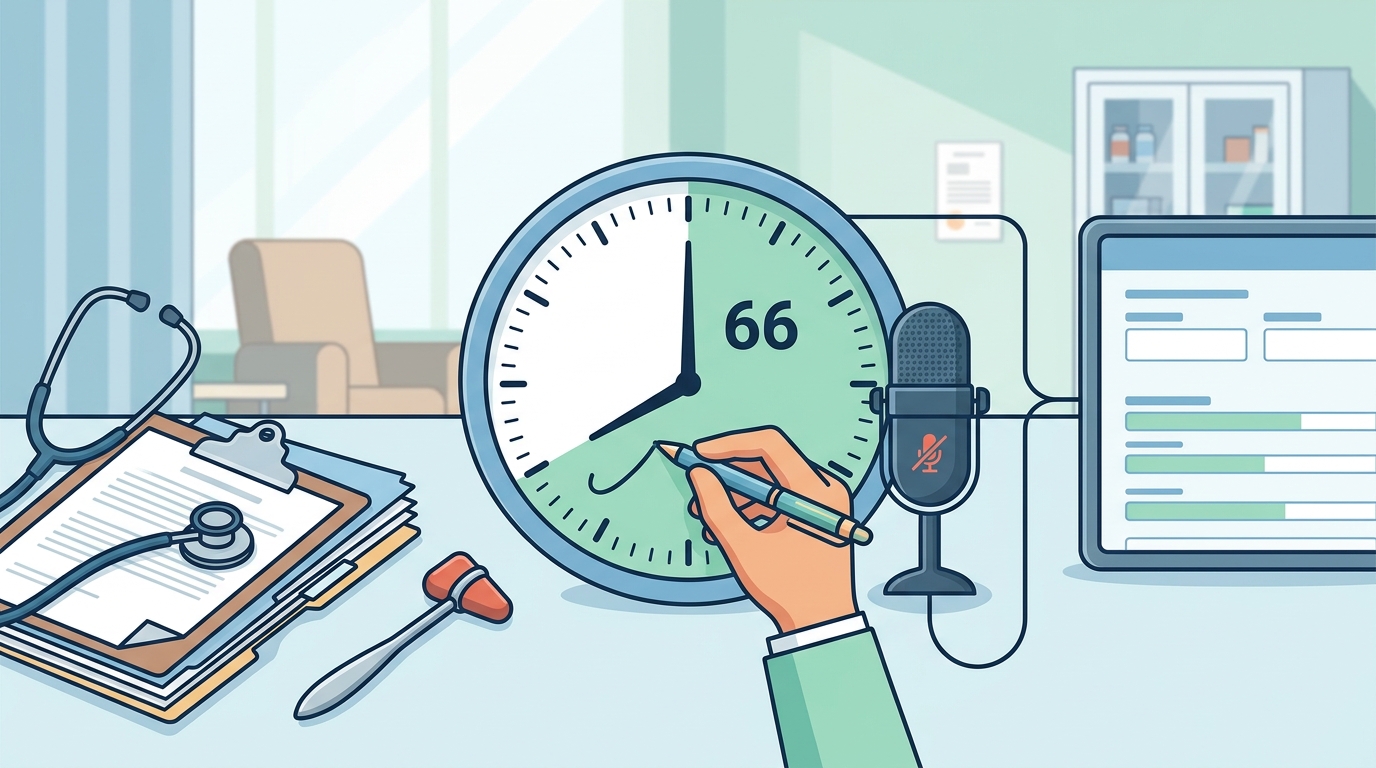
Physician burnout is no longer just a professional hazard; it is a systemic crisis driven by administrative overload. According to recent data from the American Medical Association, physicians save an average of 66 minutes per 8-hour shift when utilizing a medical scribe. This statistic highlights a critical reality: the time spent documenting patient encounters is time stolen from the actual clinical relationship. For many healthcare providers, the question is not whether documentation is necessary, but how to manage it without sacrificing the quality of care. The answer lies in delegating the digital burden to a remote professional.
The Mechanism of Time Recovery
A remote medical scribe operates as a real-time documentation partner. Unlike traditional scribes who must be physically present in the exam room, a remote scribe connects via a secure, HIPAA-compliant video and audio link. This technology allows the scribe to observe the patient-physician interaction from a secure, off-site location. The scribe listens to the conversation and types notes directly into your Electronic Health Record (EHR) system in real time.
This process eliminates the "charting lag" that occurs when a physician attempts to document during a consultation. When a doctor types while speaking, cognitive load increases significantly. The brain must switch between listening to the patient and formulating clinical notes. By offloading this task, the physician can maintain eye contact and focus entirely on the patient's narrative. This seamless integration of technology and medical documentation allows for a more natural flow of conversation.
The result is a dramatic reduction in after-hours charting. Physicians who utilize remote scribes often report finishing their workday on time, rather than staying late to clear the inbox. This shift directly correlates with improved job satisfaction and reduced risk of burnout. A recent analysis of physician workflows confirms that delegating documentation tasks is one of the most effective strategies for reclaiming personal time.
Impact on Patient Connection and Trust
When a physician is focused on a screen, the patient often feels ignored. This dynamic can erode trust before the physical examination even begins. A remote scribe removes the physical barrier of a laptop or tablet from the exam room. The physician is free to engage with the patient using open body language and direct attention.
Data from the American Medical Association indicates that 57% of patients report better interactions when their doctor is assisted by a scribe. This improvement is not just about efficiency; it is about empathy. Patients can sense when their provider is truly listening. When the physician is not distracted by the mechanics of documentation, they are better equipped to pick up on subtle emotional cues and non-verbal signals.
This enhanced connection leads to higher patient satisfaction scores. Patients feel heard and respected, which improves adherence to treatment plans. Furthermore, the privacy of the exam room is preserved. Unlike an in-person scribe who occupies physical space, a remote scribe is invisible to the patient, maintaining the intimacy of the clinical encounter. For more insights on how virtual support enhances the patient experience, you can explore our blog resources on patient trust.
Specialty-Specific Benefits
Different medical specialties face unique documentation challenges. Remote scribes are trained to adapt to these specific workflows, providing tailored support that maximizes efficiency.
Dermatology Workflow
Dermatology is a highly visual specialty that requires detailed documentation of skin lesions, moles, and rashes. Describing the size, shape, color, and location of a lesion takes significant verbal and typing time. A remote scribe specializing in dermatology can capture these details accurately while the physician performs the examination. This ensures that the medical necessity of the procedure is clearly documented for insurance purposes.
By handling the descriptive narrative, the remote scribe allows the dermatologist to focus on the diagnostic process. This specialization is critical for maintaining high throughput without sacrificing accuracy. If you are looking for specialized support, our virtual scribes for dermatologists are trained to handle these specific requirements.
Oncology Documentation
Oncology visits are often complex and emotionally charged. They involve reviewing extensive history, discussing treatment options, and managing side effects. The documentation requirements are rigorous, often involving detailed staging and chemotherapy regimens. A remote scribe can manage this complexity by capturing the nuanced discussion in real time.
This support allows the oncologist to maintain a compassionate presence during difficult conversations. The scribe ensures that all clinical details are recorded accurately, reducing the risk of errors in medication orders. For practices dealing with high-complexity cases, oncology-focused virtual assistance provides a vital layer of operational support.
Comparison of Support Models
Understanding the difference between various support models helps clarify why remote scribes are the superior choice for time management.
| Feature | In-Person Scribe | Remote Medical Scribe | AI Documentation Tools |
|---|---|---|---|
| Physical Presence | Required in exam room | Virtual via secure link | None (Software only) |
| Patient Privacy | Reduced (Third party present) | Preserved (Invisible support) | Preserved |
| Cost Efficiency | High (Salary + Benefits) | Low (Hourly rate) | Medium (Subscription) |
| Flexibility | Fixed schedule | On-demand scheduling | Always available |
| Human Judgment | High | High | Low (Context errors) |
As shown in the table, remote scribes offer a unique balance of human judgment and operational flexibility. They provide the clinical nuance that AI tools often miss, without the logistical and privacy constraints of in-person staff. This makes them an ideal solution for small practices and solo practitioners.
Key Takeaways
- Time Recovery: Physicians save an average of 66 minutes per shift using a scribe, according to the American Medical Association.
- Burnout Reduction: 74.5% of physicians cite EHR documentation as a major factor in burnout, per PubMed research.
- Patient Satisfaction: 57% of patients report better interactions when assisted by a scribe, according to AMA data.
- Specialty Support: Remote scribes are trained for specific fields including dermatology, oncology, and dental practices.
- Privacy Preservation: Remote scribes operate invisibly, maintaining the intimacy of the exam room.
- Cost Efficiency: Remote models offer lower overhead compared to hiring full-time in-person staff.
- HIPAA Compliance: Services utilize VPN-secured workspaces to ensure data protection.
Frequently Asked Questions
How does a remote scribe ensure HIPAA compliance?
Remote scribes use encrypted, VPN-secured connections to access your EHR system. My Virtual Scribe implements rigorous workspace security measures to protect patient data, ensuring that all interactions meet federal privacy standards.
Can a remote scribe handle complex medical terminology?
Yes. Our scribes are trained medical professionals who understand complex medical terminology. They are equipped to document intricate procedures and diagnoses accurately in real time.
What is the cost of hiring a remote scribe?
Pricing varies based on the level of support required. My Virtual Scribe offers competitive rates, starting at affordable hourly packages designed to fit small practice budgets. You can view detailed pricing options on our website.
How quickly can I start using a remote scribe?
Onboarding is typically fast. Once you select a plan, we can match you with a trained scribe who can begin working with your practice within days. Contact us to schedule a consultation.
Do remote scribes work with all EHR systems?
Our scribes are trained on major EHR platforms, including Epic, Cerner, and AthenaHealth. We adapt to your specific workflow to ensure seamless integration.
Is patient privacy compromised with a remote scribe?
No. Unlike in-person scribes, remote scribes are not physically present in the exam room. They listen and document from a secure location, preserving the private nature of the patient-physician relationship.
What specialties do you support?
We support a wide range of specialties, including dermatology, oncology, optometry, dental, and general internal medicine. Our team includes specialists trained in the unique documentation needs of each field.
Get Started Today
Reclaim your time and rehumanize your practice. By partnering with My Virtual Scribe, you can eliminate the burden of documentation and focus on what matters most: your patients. Our team is ready to help you streamline your workflow and improve your daily efficiency.
Take the first step toward a less stressful practice. Contact us today to discuss your needs and explore our flexible pricing plans. Let us help you get your life back, one patient at a time.