

The Role of a Medical Scribe
A medical scribe is a trained professional who documents patient encounters in real time. They do not provide clinical care, diagnosis, or treatment. Their primary function is to translate the verbal conversation between the physician and patient into structured medical notes. This role is distinct from a nurse or physician assistant, as scribes are non-clinical administrative staff.
During a typical appointment, the scribe sits in the room or joins via a secure remote connection. They listen to the history of present illness and review the patient's background. By handling the keyboard, they free the physician to engage fully with the patient. This dynamic shifts the appointment from a documentation-heavy task to a patient-centered interaction.
Real-Time Documentation Process
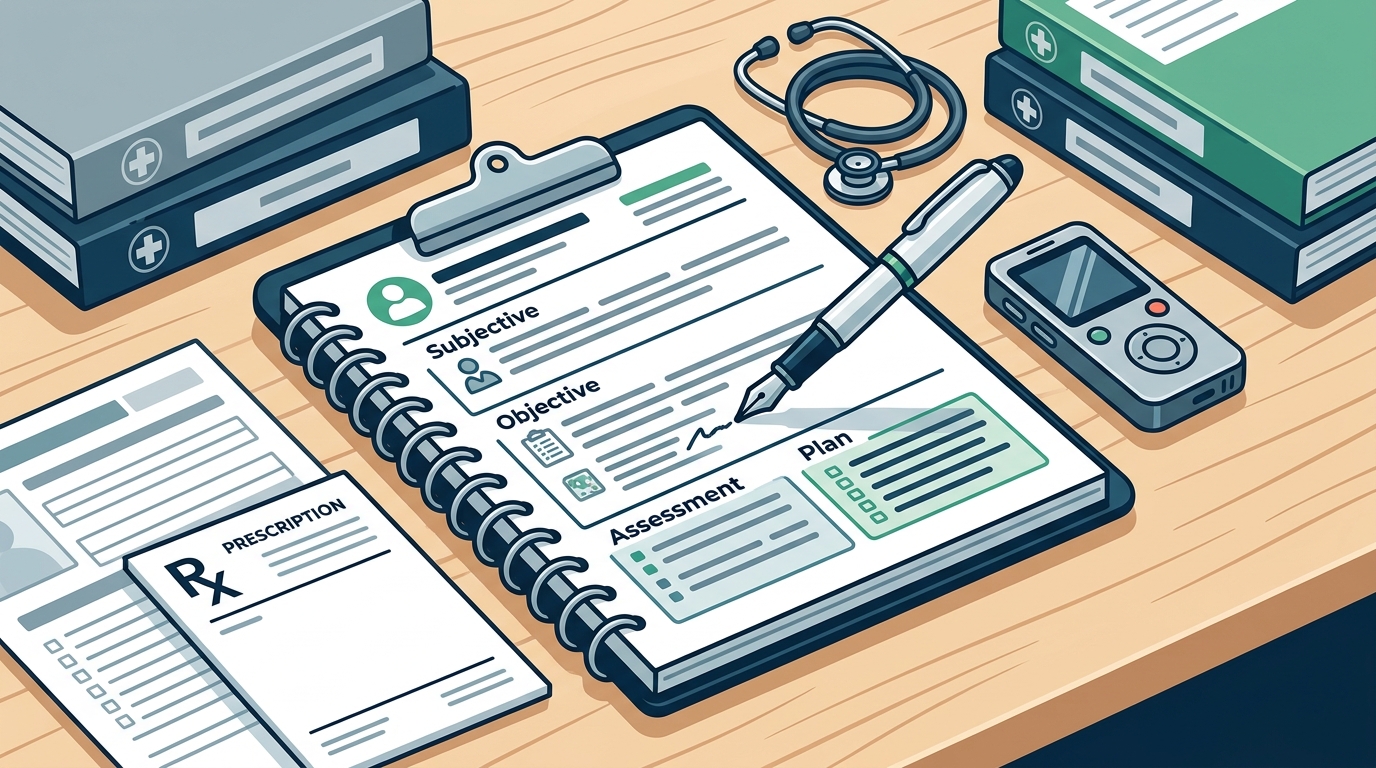
The documentation process begins before the patient enters the room. The scribe reviews the patient's chart, previous notes, and pending lab results. This preparation allows them to anticipate the flow of the visit. When the physician begins the history, the scribe types the chief complaint and relevant symptoms into the EHR.
As the physical exam proceeds, the scribe records objective findings. They note vital signs, examination results, and any abnormalities observed by the physician. This real-time capture ensures that no detail is lost in the moment. The scribe also flags any missing information that the physician might need to address before concluding the visit.
Integration with Electronic Health Records
Electronic health record (EHR) integration is the core technical skill of a medical scribe. The scribe must be proficient in the specific EHR platform used by the practice. They navigate templates, order sets, and problem lists efficiently. This proficiency ensures that the note is structured correctly for billing and clinical review.
Remote scribes, such as those provided by My Virtual Scribe, use secure, HIPAA-compliant connections to access the EHR. They type directly into the physician's active note. This eliminates the need for the physician to dictate or type later. The result is a complete, accurate note that is ready for physician review and signature immediately after the visit.
Impact on Physician Workflow
The impact on physician workflow is significant. Physicians often spend hours after clinic hours completing notes, a practice known as papyrus. By having a scribe document in real time, this after-hours burden is drastically reduced. Physicians can leave work on time, improving work-life balance and reducing burnout.
Key Takeaways
- Medical scribes are non-clinical professionals who document patient encounters in real time.
- They do not provide diagnosis, treatment, or clinical advice.
- Real-time documentation allows physicians to maintain eye contact and focus on patient care.
- Scribes prepare by reviewing the chart before the visit begins.
- They capture history, physical exam findings, and treatment plans directly into the EHR.
- Remote scribes use secure, HIPAA-compliant connections to access the EHR.
Frequently Asked Questions
Do medical scribes provide medical advice?
No. Medical scribes are non-clinical administrative staff. They do not provide diagnosis, treatment, or medical advice. Their role is strictly documentation under physician supervision.
How do remote medical scribes access the EHR?
Remote scribes use secure, HIPAA-compliant connections to access the electronic health record. They type directly into the physician's active note in real time.
What is the difference between a scribe and a nurse?
Can scribes work with any EHR system?
Yes. Trained scribes can work with various EHR platforms. My Virtual Scribe provides scribes who are trained to navigate specific EHR systems efficiently.
How does scribe support reduce physician burnout?
By documenting in real time, scribes eliminate the need for after-hours charting. This allows physicians to leave work on time, reducing stress and improving work-life balance. Learn more: myvirtualscribe us.