

My Virtual Scribe provides remote medical scribes to cut down on after-hours charting time. This guide explains how remote scribes work, the benefits for physician burnout, and how to choose a compliant partner. We cover real-time documentation, EHR integration, and cost considerations for healthcare practices in the USA. For additional details, review the 403 Forbidden.
Real-Time Documentation
Real-time documentation is the process of recording patient encounters simultaneously with the clinical visit. This method allows scribes to capture history, physical exam findings, and assessment plans while the physician is still in the room. By documenting as the visit happens, the data is fresh and accurate. This reduces the need for retrospective recall, which is often error-prone. For additional details, review the .
How Remote Scribes Capture Data
Remote scribes use secure audio and video channels to observe the patient encounter. They type notes directly into the Electronic Health Record (EHR) in real time. The physician can review and edit the note before signing it. This collaborative approach ensures that the clinical narrative matches the physician's intent. It also allows for immediate clarification of any ambiguous findings. For additional details, review the Customer Experience.
Benefits for Charting Efficiency
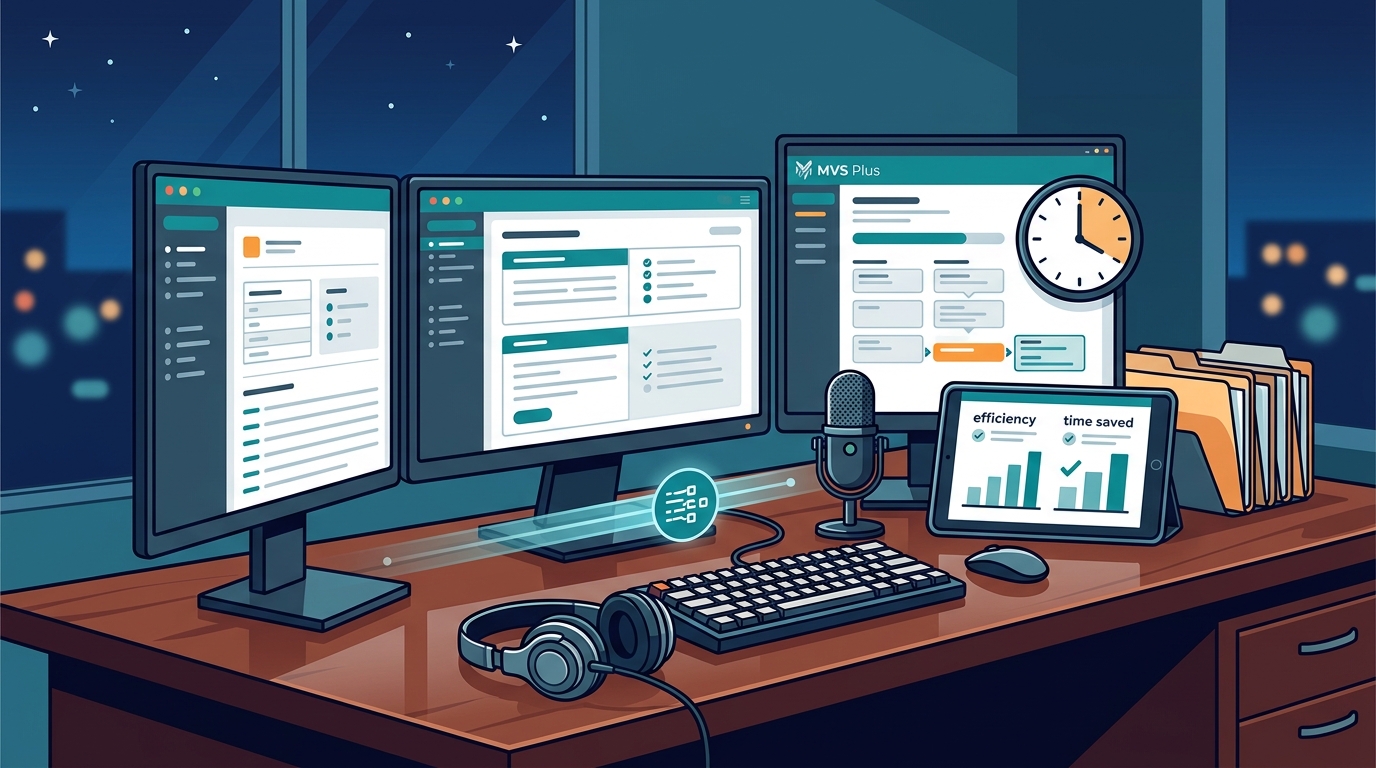
Real-time documentation significantly reduces the time physicians spend on charting after hours. Studies have shown that scribes can reduce documentation time by up to 50 percent. This time savings allows physicians to see more patients or leave work on time. The accuracy of the notes also improves, leading to better coding and reimbursement. My Virtual Scribe focuses on this real-time model to maximize efficiency for its clients. For additional details, review the Frequently Asked Questions.
EHR Integration and Workflow
EHR integration is the technical connection between the scribe's platform and the healthcare provider's Electronic Health Record system. Seamless integration is critical for a smooth workflow. The scribe must have the appropriate permissions to view and edit notes within the EHR. This requires a secure, encrypted connection that complies with healthcare data standards. For additional details, review the About.
Common EHR Platforms
Workflow Optimization
Reducing Physician Burnout
Physician burnout is a state of emotional, physical, and mental exhaustion caused by excessive and prolonged stress. It is a significant issue in modern healthcare, with documentation being a major contributor. After-hours charting is one of the primary drivers of burnout. Physicians often feel trapped by the need to complete notes before they can leave the office.
The Impact of Administrative Burden
The administrative burden of documentation takes time away from patient care and personal life. Physicians report feeling frustrated and disconnected from their patients when they are focused on typing notes. This disconnection can lead to decreased job satisfaction and increased turnover. By offloading documentation to a remote scribe, physicians can refocus on the human aspect of medicine. This shift can improve both physician well-being and patient satisfaction.
Reclaiming Personal Time
Reducing after-hours charting allows physicians to reclaim their personal time. This time can be spent with family, pursuing hobbies, or simply resting. Improved work-life balance is a key factor in preventing burnout. My Virtual Scribe aims to help physicians achieve this balance by providing reliable documentation support. The goal is to create a sustainable practice environment where physicians can thrive.
HIPAA Compliance and Security
Security Protocols
Vendor Due Diligence
Cost and ROI Analysis
Direct Costs
Indirect Benefits and ROI
The indirect benefits of remote scribes can be significant. Increased patient volume allows practices to generate more revenue. Improved coding accuracy can lead to higher reimbursement rates. Reduced physician turnover saves the practice from the costs of recruiting and training new staff. When these benefits are factored in, the ROI of a remote scribe service is often positive. My Virtual Scribe helps practices calculate their ROI to make an informed decision.
Key Takeaways
- Remote medical scribes provide real-time documentation, reducing after-hours charting time.
- Seamless EHR integration is critical for a smooth workflow and accurate notes.
- Reducing administrative burden helps prevent physician burnout and improves work-life balance.
- HIPAA compliance and robust security protocols are essential for protecting patient data.
- The ROI of remote scribes is often positive when factoring in increased patient volume and reduced turnover.
- Practices should conduct due diligence and sign a Business Associate Agreement with their scribe vendor.
Frequently Asked Questions
How do remote medical scribes work?
Remote medical scribes join patient encounters via secure audio and video. They type notes directly into the EHR in real time. The physician reviews and signs the note before the visit ends.
Are remote scribes HIPAA compliant?
Yes, reputable providers like My Virtual Scribe are HIPAA compliant. They use encryption and sign Business Associate Agreements to protect patient data.
Can remote scribes work with my EHR?
How much time can scribes save?
Scribes can reduce documentation time by up to 50 percent. This allows physicians to see more patients or leave work on time.