

How to Choose a Provider
Evaluating Technical Compatibility
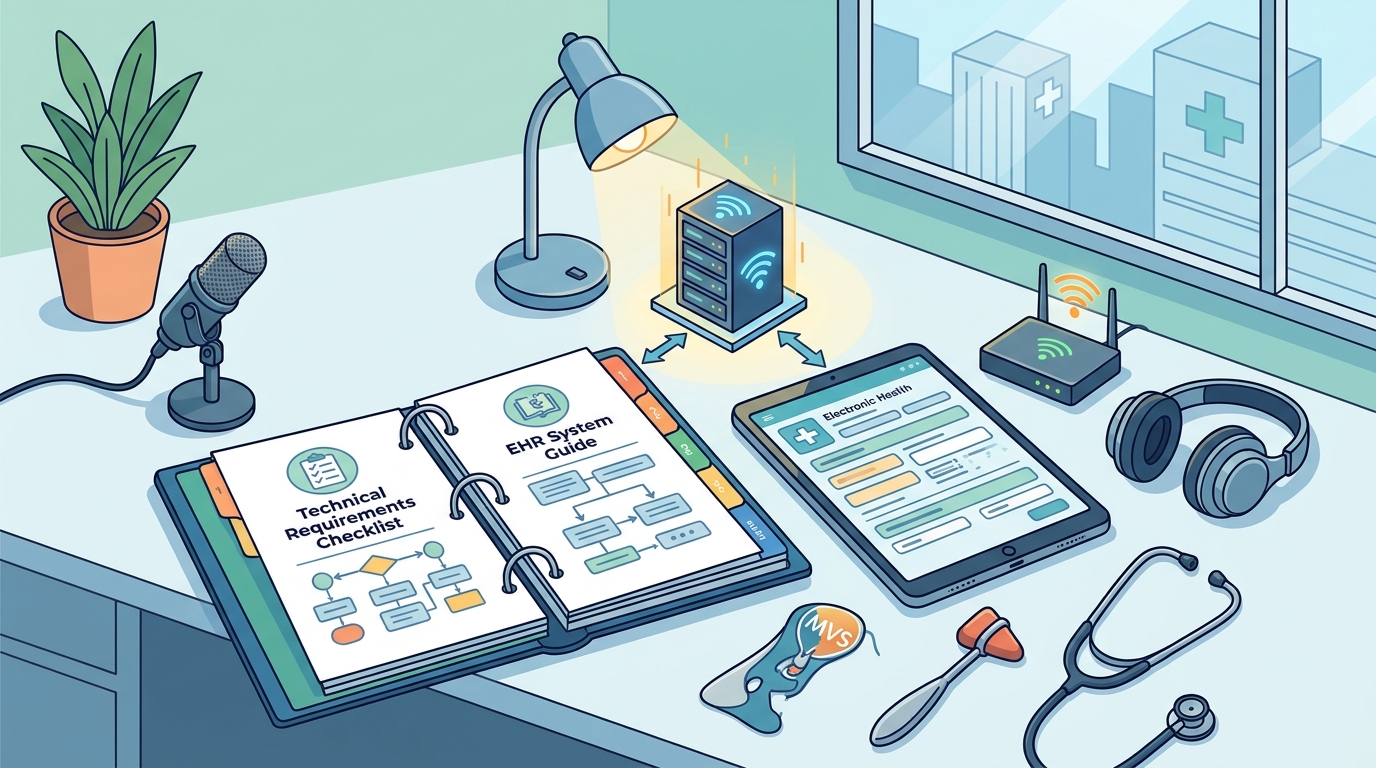
Your EHR system dictates the technical requirements for remote support. Ensure the provider's tools integrate seamlessly with your current setup. Latency and audio clarity are critical for real-time dictation. A reliable provider will test these connections before the first shift. This prevents disruptions during patient visits. Technical stability is a non-negotiable factor for solo practices that cannot afford downtime. For additional details, review the myvirtualscribe us.
Assessing Cultural and Operational Fit
Communication style matters as much as technical skill. The scribe must adapt to your documentation preferences and workflow. Ask about their approach to handling complex cases or unusual diagnoses. A good provider will assign a dedicated scribe or a small, consistent team. This builds familiarity with your practice's specific needs over time. Consistency in personnel leads to higher quality notes and faster adaptation. For additional details, review the .
Questions to Ask Before Committing
Due diligence is essential before signing a contract. You need to understand the scope of services and the support structure. Ask specific questions that reveal the provider's operational maturity. Do not rely on marketing materials alone. Direct answers to these questions will clarify the true value of the service. For additional details, review the Customer Experience.
Key Operational Questions
- What is the average response time for technical issues during a shift? For additional details, review the Frequently Asked Questions.
- How do you handle scribe turnover or absence? For additional details, review the About.
- What is the process for providing feedback on documentation quality?
Security and Compliance Questions
- What specific HIPAA safeguards are in place for data transmission?
- How is access to patient records controlled and audited?
- Who is the designated security officer for the provider?
Verifying Credentials and Claims
Claims of expertise must be backed by verifiable evidence. A medical scribe credential is a certification that validates training in medical documentation and EHR usage. Verify these credentials through independent registries or the issuing body. Do not accept self-reported qualifications without proof. Check for references from other solo practices or small clinics. This provides insight into real-world performance. Verify the provider's business registration and insurance coverage. This protects your practice from liability issues. according to Early Career Benefits
Checking References
Request at least three references from current clients. Ask these clients about the scribe's reliability and accuracy. Inquire about any issues that arose and how they were resolved. A reputable provider will welcome this scrutiny. Hesitation or refusal to provide references is a red flag. It suggests potential problems with service quality or client satisfaction.
Operational Workflow and Timeline
Step-by-Step Implementation
- Initial consultation to assess needs and EHR compatibility.
- Execution of Business Associate Agreement (BAA) and security protocols.
- Technical setup and connectivity testing.
- Training on your specific documentation preferences.
- First live shifts with supervision and feedback.
- Full integration into daily workflow.
Pricing Drivers and Cost Analysis
Comparing Pricing Models
| Pricing Model | Cost Structure | Best For | Risk |
|---|---|---|---|
| Flat Hourly Rate | Fixed cost per hour | Predictable budgeting, variable patient volume | Costs remain if patient volume drops |
| Per-Encounter Fee | Fixed cost per patient note | High volume, consistent patient flow | Costs spike with high patient counts |
| Monthly Retainer | Fixed monthly fee for set hours | Full-time coverage needs | Less flexibility for part-time needs |
Common Mistakes to Avoid
Several pitfalls can undermine the success of a remote scribe arrangement. The most common mistake is inadequate onboarding. Skipping the training phase leads to poor note quality and frustration. Another error is failing to provide clear feedback. Scribes need guidance to align with your preferences. Ignoring technical issues is also detrimental. Latency or audio problems must be addressed immediately. Finally, treating the scribe as a commodity rather than a partner limits the value you receive. Building a relationship with your scribe improves consistency and quality.
Technical and Communication Errors
Ensure your internet connection is stable and high-speed. Use a dedicated headset for clear audio. Communicate clearly and at a moderate pace. Avoid background noise during encounters. These simple steps significantly improve the scribe's ability to document accurately. Regular check-ins with the provider help identify and resolve any recurring issues.
Comparison with Alternatives
Human vs. AI Scribes
Human scribes bring contextual understanding and medical knowledge. They can ask clarifying questions and adapt to complex scenarios. AI scribes excel at speed and consistency. They do not get tired or distracted. However, they may struggle with ambiguous language or unusual cases. The choice depends on your specialty and documentation needs. Many practices find that human scribes are superior for complex specialties, while AI may suffice for routine visits.
Application for Specific Practice Types
The ideal scribe arrangement varies by specialty and practice size. For solo family medicine practices, a part-time remote scribe may suffice. This covers peak hours and reduces after-hours documentation. For solo specialists, such as dermatologists or orthopedists, full-time coverage may be necessary. These specialties often involve complex documentation and longer visits. Multi-provider small practices may benefit from a team of scribes. This ensures coverage across all providers and shifts. The key is to match the scribe's expertise and availability to your specific workflow. A one-size-fits-all approach is rarely optimal.
Considerations for Solo Specialists
Specialists often have fewer but more complex patients. Documentation requires detailed clinical reasoning. A scribe with experience in your specific specialty is crucial. They will understand the terminology and documentation standards. This reduces the time you spend editing notes. It also improves the quality of the medical record. This is essential for continuity of care and billing accuracy.
Compliance and Patient Protections
Key HIPAA Requirements
- Business Associate Agreement (BAA) execution.
- Encryption of data in transit and at rest.
- Role-based access controls for patient records.
- Regular security training for all scribes.
- Audit logs to track access to patient data.
Regional Considerations for US Practices
Time Zone and Availability
Optimal Timing for Implementation
Timing your implementation can impact the success of the arrangement. The best time to start is during a period of lower patient volume. This allows for a smoother onboarding process. It also gives you time to adjust to the new workflow without the pressure of a full schedule. Avoid starting during peak seasons, such as flu season for family medicine. This can overwhelm both you and the scribe. If you are already overwhelmed, consider a phased approach. Start with a few hours per week and gradually increase. This allows you to assess the value and make adjustments. Proper timing ensures a positive experience and long-term success.
Phased Implementation Strategy
Begin with one or two days per week. Focus on routine visits. Gradually add more complex cases as the scribe becomes familiar with your style. This approach minimizes risk and allows for continuous improvement. It also helps you build confidence in the service. A phased approach is often more successful than a full-scale immediate launch.
Long-Term Outcomes and Metrics
Key Performance Indicators
- Reduction in daily documentation time.
- Improvement in note completeness and accuracy.
- Decrease in after-hours work.
- Increased patient satisfaction scores.
- Improved billing and reimbursement rates.
Key Takeaways
- Choose a provider with specific EHR expertise and rigorous vetting.
- Verify credentials and references before committing to a contract.
- Flat hourly rates provide predictable costs for variable patient volumes.
- Proper onboarding and feedback are critical for success.
- Ensure full HIPAA compliance through a signed BAA and robust safeguards.
- Implement during a low-volume period for a smoother transition.
- Track key metrics to measure long-term value and impact.
Frequently Asked Questions
What is a remote medical scribe?
A remote medical scribe is a trained professional who documents patient encounters in real-time via secure audio or video channels. They work from a remote location and integrate with your EHR system.
How much do remote medical scribes cost?
Costs vary based on specialty, experience, and volume. A flat hourly rate is common, providing predictable pricing. Specific rates depend on the provider and your needs.
Are remote scribes HIPAA compliant?
Can remote scribes work with any EHR?
How long does onboarding take?
What is the difference between a remote scribe and an AI scribe?
Remote scribes are human professionals who provide contextual understanding and adaptability. AI scribes use artificial intelligence for transcription and structuring. Human scribes are often preferred for complex specialties.
How do I provide feedback to my scribe?
Most providers have a feedback mechanism. You can provide direct feedback to the scribe or through the provider's support team. Regular communication is key to improving note quality. Learn more: myvirtualscribe us.