

Physician burnout has reached critical levels in the modern healthcare landscape. Recent data indicates that 74.5% of physicians cite electronic health record (EHR) documentation as a major factor in their professional exhaustion. This overwhelming administrative burden has shifted the focus of medical practice away from patient care and toward screen time. The result is a healthcare system struggling with fatigue, reduced job satisfaction, and a growing disconnect between clinicians and the people they serve. Understanding how remote support can reverse this trend is essential for any practice looking to survive and thrive in 2026. (About My Virtual Scribe)
The Root Causes of Physician Burnout
Physician burnout is not merely a feeling of tiredness. It is a complex syndrome characterized by emotional exhaustion, depersonalization, and a reduced sense of personal accomplishment. The primary driver of this syndrome is the relentless demand for accurate, real-time documentation. Every patient encounter now requires extensive data entry, coding, and compliance checking. This administrative weight creates a cognitive load that extends far beyond the clinical work itself.
When a physician spends more time typing than listening, the quality of care suffers. The American Medical Association has reported that physicians save an average of 66 minutes per 8-hour shift when using a medical scribe. Without this support, that time is lost to paperwork, leading to late nights and early mornings spent at the desk rather than at home. This imbalance is unsustainable and directly contributes to the high rates of burnout seen across all medical specialties.
The problem is not just about volume. It is about the nature of the work. Documentation is repetitive, detail-oriented, and often disconnected from the human element of medicine. This disconnection leads to depersonalization, where patients become data points rather than individuals. Breaking this cycle requires a structural change in how practices handle administrative tasks.
How Virtual Scribes Work
A virtual medical scribe is a trained professional who remotely monitors patient encounters and documents them in real-time into the practice's EHR system. Unlike traditional in-house scribes who must be physically present, virtual scribes connect via secure, HIPAA-compliant platforms from remote locations. This model offers flexibility and scalability that in-house staffing cannot match.
The process begins with a secure connection between the scribe and the physician's device. During the appointment, the scribe listens to the conversation and observes the clinical interaction. They then type notes, update problem lists, and enter orders directly into the electronic health record. The physician reviews and co-signs the note, ensuring accuracy and compliance. This seamless integration allows the doctor to maintain eye contact and focus on the patient, rather than the screen.
My Virtual Scribe provides this service with a team of highly trained professionals who understand medical terminology and workflow. By outsourcing documentation to these experts, practices can ensure that notes are completed accurately and promptly. This reduces the cognitive load on the physician, allowing them to finish their day on time and with less stress.
Reclaiming Time and Efficiency
Time is the most valuable resource in a medical practice. When physicians are bogged down by documentation, they lose hours each week that could be spent on patient care, professional development, or personal well-being. Virtual scribes directly address this inefficiency by handling the bulk of the note-taking process.
The impact on daily schedules is profound. Physicians using virtual scribes report being able to see more patients per day without sacrificing quality. This increased throughput can lead to higher revenue and better practice sustainability. More importantly, it allows physicians to leave work at work. The ability to close the laptop at 5 PM, knowing that documentation is complete, is a significant factor in preventing burnout.
Efficiency is not just about speed. It is about accuracy and completeness. Virtual scribes are trained to capture all relevant clinical details, ensuring that notes are comprehensive and compliant with regulatory standards. This reduces the need for retrospective chart review and correction, further saving time and reducing frustration.
Restoring the Patient-Physician Bond
One of the most significant benefits of using a virtual scribe is the restoration of the patient-physician relationship. When a doctor is free from the constraints of typing, they can engage more fully with the patient. This engagement builds trust, improves communication, and enhances the overall patient experience.
Studies show that 57% of patients say they have better interactions when their doctor is assisted by a scribe. This improvement is not just about satisfaction scores. It is about the quality of care. When patients feel heard and understood, they are more likely to adhere to treatment plans and report better health outcomes. The virtual scribe acts as an invisible support, enabling the physician to be fully present.
This rehumanization of healthcare is critical in an era where technology often feels like a barrier. By leveraging technology to remove administrative burdens, practices can return to the core mission of medicine: caring for people. This shift is essential for maintaining job satisfaction and preventing the emotional exhaustion that leads to burnout.
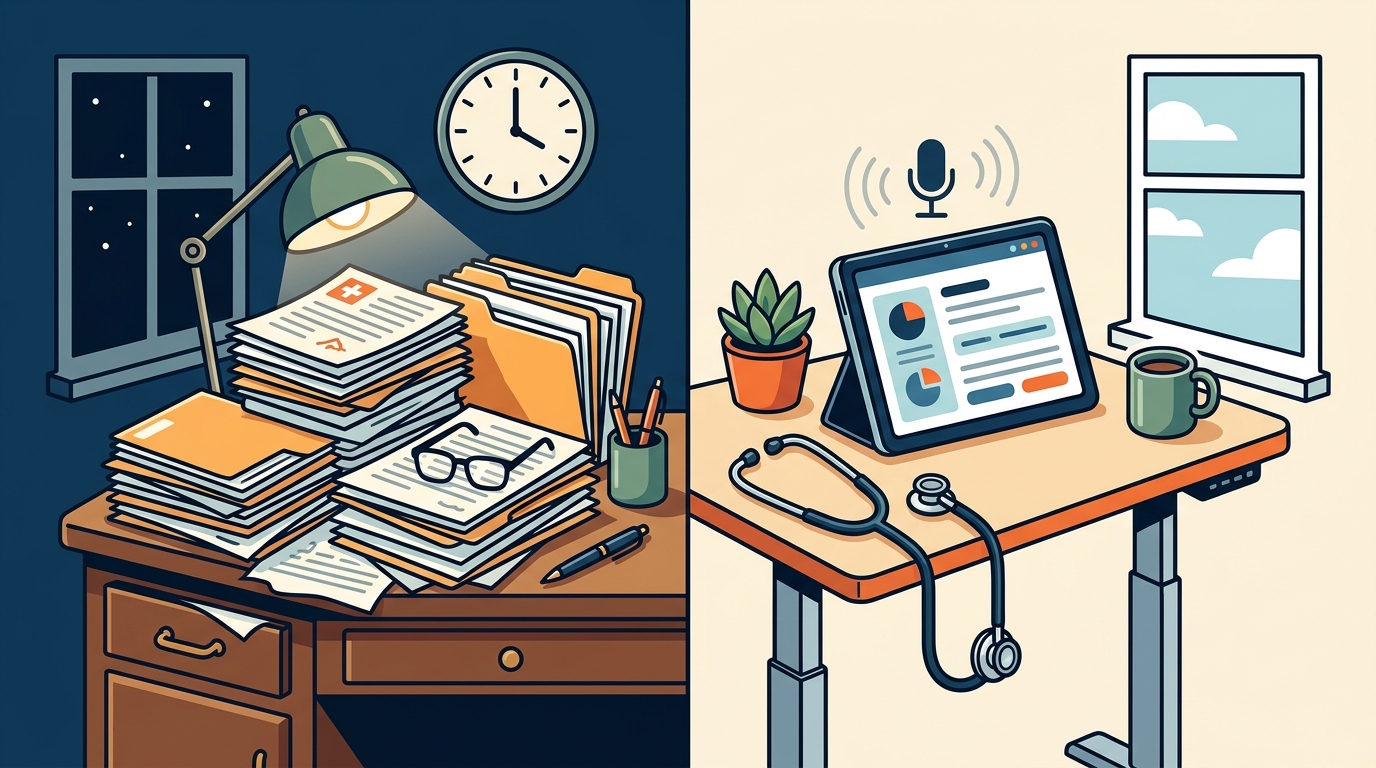
Impact on Mental Health and Retention
Burnout has severe consequences for physician mental health. It is linked to increased rates of depression, anxiety, and even suicide. The stress of constant documentation contributes to a sense of helplessness and loss of control. Virtual scribes offer a tangible solution to this crisis by restoring a sense of agency and balance.
When physicians can focus on their clinical work without the weight of administrative tasks, their mental well-being improves. They feel more connected to their profession and more satisfied with their daily work. This satisfaction is crucial for retention. The healthcare industry is facing a shortage of providers, and practices that support their physicians' well-being are more likely to retain top talent.
Furthermore, the flexibility of virtual scribes allows for better work-life balance. Physicians can schedule scribe support based on their peak hours or high-volume days. This customization ensures that support is available when needed most, without the rigidity of in-house staffing. This flexibility is a key factor in reducing stress and promoting long-term career sustainability.
In-House vs. Virtual Scribe Models
Choosing between in-house and virtual scribes is a common dilemma for practice managers. Each model has its advantages and disadvantages. The table below summarizes the key differences to help you make an informed decision.
| Feature | In-House Scribe | Virtual Scribe |
|---|---|---|
| Cost | Higher (salary, benefits, overhead) | Lower (pay-per-use or subscription) |
| Flexibility | Fixed schedule, limited coverage | Highly flexible, scalable support |
| Training | Practice handles all training | Provider handles training and compliance |
| Privacy | Physical presence in exam room | Remote, HIPAA-compliant digital access |
| Reliability | Subject to staff availability | Consistent, backup-supported service |
Virtual scribes offer a cost-effective and flexible alternative to in-house staffing. They eliminate the need for physical workspace and reduce the administrative burden of hiring and managing staff. For many practices, especially small or solo practices, virtual scribes are the more practical and sustainable option.
Key Takeaways
- 74.5% of physicians cite EHR documentation as a major factor in burnout, highlighting the urgent need for documentation support.
- 66 minutes saved per shift is the average time benefit for physicians using a medical scribe, significantly improving work-life balance.
- 57% of patients report better interactions with doctors who use scribes, demonstrating the positive impact on patient experience.
- Virtual scribes provide HIPAA-compliant, real-time documentation from remote locations, offering flexibility and scalability.
- My Virtual Scribe offers specialized support for various specialties, including dermatology, optometry, and dental practices.
- Cost efficiency is a major advantage of virtual scribes, as they eliminate the overhead associated with in-house staff.
- Mental health benefits include reduced stress, improved job satisfaction, and better retention rates for healthcare providers.
Frequently Asked Questions
How do virtual scribes ensure patient privacy?
Virtual scribes use secure, HIPAA-compliant platforms to access electronic health records. They undergo rigorous training on privacy protocols and use encrypted connections to protect patient data during remote documentation.
Can virtual scribes handle all medical specialties?
Yes, virtual scribes can be trained to support a wide range of specialties, including internal medicine, dermatology, optometry, oncology, and dental practices. My Virtual Scribe offers tailored solutions for specific clinical needs.
What is the cost of hiring a virtual scribe?
The cost varies depending on the level of support required. My Virtual Scribe offers competitive pricing models, including pay-per-use and subscription options, to fit different practice budgets. Visit our pricing page for detailed information.
How quickly can a virtual scribe start working?
Virtual scribes can typically begin working within a few days of onboarding. The process involves a brief training period to familiarize the scribe with your specific EHR system and practice workflows.
Do virtual scribes replace the need for medical coding?
Virtual scribes focus on clinical documentation. While they ensure notes are detailed and accurate, the final coding and billing are typically handled by your billing team or a separate coding service. However, accurate documentation by scribes significantly improves coding accuracy and reimbursement rates.
What happens if a virtual scribe is unavailable?
My Virtual Scribe maintains a large pool of trained scribes to ensure coverage. If one scribe is unavailable, another can be assigned quickly to maintain continuity of care and documentation.
How does a virtual scribe interact with the patient?
Virtual scribes do not interact with patients directly. They remain invisible to the patient, allowing the physician to maintain a private and focused consultation. The scribe only communicates with the physician regarding documentation clarifications.
Get Started Today
Physician burnout is a critical issue that requires immediate attention. By adopting virtual scribe services, you can reclaim your time, improve patient satisfaction, and protect your mental health. My Virtual Scribe is ready to help you transform your practice. Contact us today to learn more about our services and how we can support your practice. Visit our contact page to schedule a consultation or explore our how it works guide to see the process in action.