

Physician burnout is no longer just a career risk; it is a systemic crisis driven by administrative overload. According to a recent study cited by PubMed, 74.5% of physicians experience burnout directly linked to Electronic Health Record (EHR) documentation demands. This statistic highlights a critical inefficiency in modern healthcare: the more time a doctor spends documenting, the less time they spend with the patient. For clinicians seeking to reclaim their professional satisfaction and improve clinical outcomes, the question is not whether to delegate documentation, but how to do it securely and effectively.
The Burnout Crisis and Documentation
The traditional model of medical practice has shifted dramatically over the last decade. What was once a face-to-face consultation has evolved into a dual-tasking environment where the physician must simultaneously examine the patient and navigate complex digital interfaces. This split attention creates a barrier between the doctor and the patient, often referred to as "screen fatigue."
My Virtual Scribe (MVS) was founded by Dr. Behzad Ourmazdi, a neurologist who experienced this exact challenge firsthand. After practicing since 2002, Dr. Ourmazdi recognized that the rigorous EHR requirements were negatively impacting his mental health and his ability to connect with patients. His mission to reinvigorate the healthcare system by alleviating these pain points led to the creation of a service that allows clinicians to focus on their primary job: quality patient care.
When administrative burdens are removed, the immediate result is a restoration of professional joy. By delegating documentation to a trained remote scribe, physicians can stop staring at screens and start looking at their patients. This shift is not merely about convenience; it is about clinical efficacy and emotional well-being.
How Remote Scribes Work
A remote medical scribe operates differently from an in-person scribe. Instead of sitting in the exam room, the scribe connects via a secure, HIPAA-compliant platform using a laptop or tablet. This setup allows the scribe to hear the consultation and see the patient through the physician's camera, enabling real-time documentation without invading the physical space.
The process begins with the scribe processing important data directly into your EMR or EHR system. This real-time entry ensures that notes are accurate, comprehensive, and ready for signing at the end of the visit. Because the scribe is remote, they can be integrated into your workflow seamlessly, regardless of your physical location.
Security is a paramount concern in this model. MVS provides workspace security powered by VPNs, ensuring that all data transmission is encrypted and protected. This level of security is essential for maintaining patient trust and adhering to federal privacy regulations.
Impact on Patient Interaction
The most significant benefit of hiring a remote medical scribe is the measurable increase in direct patient interaction time. When a physician is no longer burdened by the need to type notes during the consultation, they can maintain eye contact, read non-verbal cues, and engage more deeply with the patient's concerns.
Data from the American Medical Association indicates that physicians save an average of 66 minutes per 8-hour shift when using a medical scribe. This is not just time saved; it is time reclaimed for patient care. Furthermore, 57% of patients report having better interactions when their doctor is assisted by a scribe. This statistic underscores the patient's perspective: they notice when their doctor is distracted by technology versus when the doctor is fully present.
By employing a remote scribe, you give your full, undivided attention to those who need you most. This leads to higher patient satisfaction scores, improved diagnostic accuracy, and a more personalized healthcare experience. The scribe handles the paperwork, allowing you to handle the medicine.
Specialty Applications
While the benefits of remote scribing are universal, the specific needs of different medical specialties require tailored approaches. MVS offers specialized virtual assistants for various fields, ensuring that the scribe understands the unique terminology and workflow of your practice.
For dermatologists, the scribe must be adept at documenting skin conditions, lesion descriptions, and treatment plans. In optometry, the focus shifts to visual acuity tests and ocular health metrics. Dental practices require scribes who can manage appointment scheduling, billing codes, and patient history updates efficiently. Each specialty benefits from the streamlined efficiency that a trained virtual assistant provides.
Additionally, MVS supports oncology practices, where documentation complexity is high and emotional sensitivity is critical. A remote scribe in this setting ensures that critical treatment details are captured accurately without adding to the physician's cognitive load. This specialized support allows oncologists to focus on compassionate care during difficult conversations.
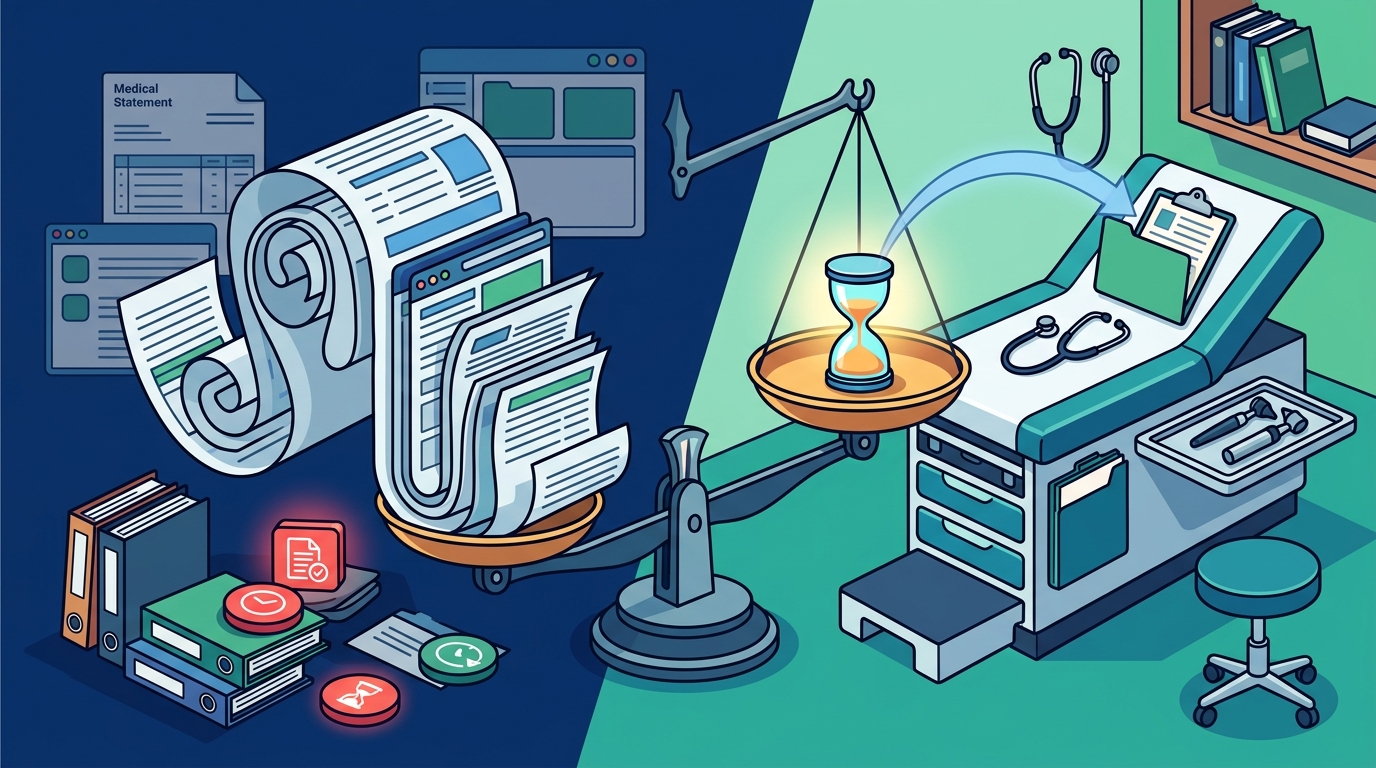
Service Models Comparison
Understanding the differences between various support models helps clarify why remote scribing is the superior choice for many modern practices. The table below outlines the key distinctions.
| Feature | In-Person Scribe | Remote Medical Scribe | AI Documentation Tools |
|---|---|---|---|
| Cost Efficiency | High (Salary + Benefits) | Low to Moderate (Subscription) | Variable |
| Flexibility | Fixed Location | Any Secure Location | High |
| Patient Privacy | Physical Presence | Virtual Presence (VPN Secured) | No Human Interaction |
| EMR Integration | Real-Time Manual Entry | Real-Time Remote Entry | Automated but Error-Prone |
| Scalability | Low | High | High |
Remote scribing offers the best balance of cost, flexibility, and human touch. Unlike AI tools, which can miss nuance and context, a trained human scribe understands the subtleties of a medical conversation. Unlike in-person scribes, remote scribes do not require physical office space or relocation, making them accessible to practices of all sizes.
Key Takeaways
- Burnout Reduction: 74.5% of physicians cite EHR documentation as a major factor in burnout, making delegation critical.
- Time Savings: Physicians save an average of 66 minutes per shift with a scribe, according to the American Medical Association.
- Patient Satisfaction: 57% of patients report better interactions when their doctor uses a scribe.
- Founder Expertise: MVS was founded by Dr. Behzad Ourmazdi, a neurologist with over 20 years of clinical experience.
- Security: All remote scribe services utilize VPN-powered workspace security for HIPAA compliance.
- Specialty Support: Services are tailored for dermatology, optometry, dental, and oncology practices.
- Accessibility: Remote scribes can connect via laptop or tablet, allowing for flexible integration into any workflow.
Frequently Asked Questions
How does a remote scribe ensure HIPAA compliance?
My Virtual Scribe ensures HIPAA compliance by using secure, VPN-powered workspaces for all remote staff. This encryption protects patient data during transmission and storage, meeting federal privacy standards.
Can a remote scribe handle complex medical terminology?
Yes. MVS provides trained medical scribes who specialize in various fields, including dermatology, oncology, and dental care. They are equipped to handle the specific terminology and documentation requirements of each specialty.
What is the cost of hiring a remote medical scribe?
MVS offers affordable pricing models designed for small practices and solo physicians. Specific rates can be found on the pricing page, which outlines subscription tiers based on your practice's needs.
How quickly can a remote scribe start working?
Once onboarded, one of our trained staff members can start working immediately. The process involves a brief orientation to your EMR system and workflow, ensuring seamless integration.
Does a remote scribe affect patient privacy?
No. The remote scribe connects virtually and does not enter the physical exam room. This setup actually enhances privacy by allowing the doctor and patient to be alone in the room while the scribe works remotely.
What types of virtual assistants does MVS offer?
Beyond medical scribes, MVS offers virtual assistants for administrative tasks, reception, sales, marketing, and billing. These services are detailed on the hire a virtual assistant page.
Is there a trial period available?
Dr. Ourmazdi encourages clinicians to try the service risk-free to see how it can improve their workflow. You can contact us to request a consultation and learn more about trial options.
Get Started Today
Reclaim your time and improve your patient care by hiring a remote medical scribe from My Virtual Scribe. Our team of trained professionals is ready to help you streamline your workflow, reduce burnout, and focus on what matters most: your patients. Visit our pricing page to find a plan that fits your practice, or contact us today to schedule a consultation.