
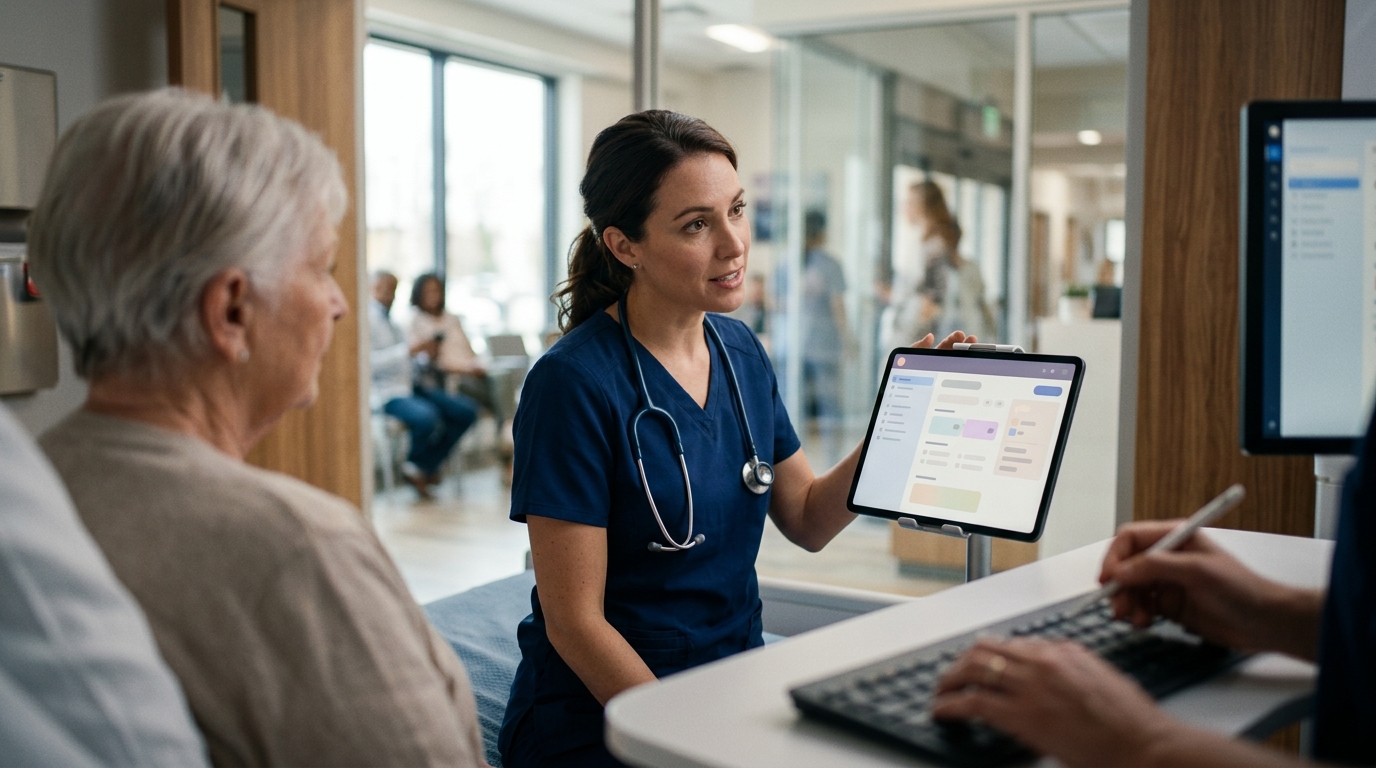
Real-time medical documentation is the practice of capturing clinical notes, orders, and patient data during or immediately after a patient encounter. In busy practices, this approach reduces after-hours charting by distributing the administrative load. My Virtual Scribe supports this workflow by providing remote scribes who document in real time, allowing clinicians to focus on patient care rather than typing. according to Medical Practice Efficiencies
The Workflow of Live Documentation
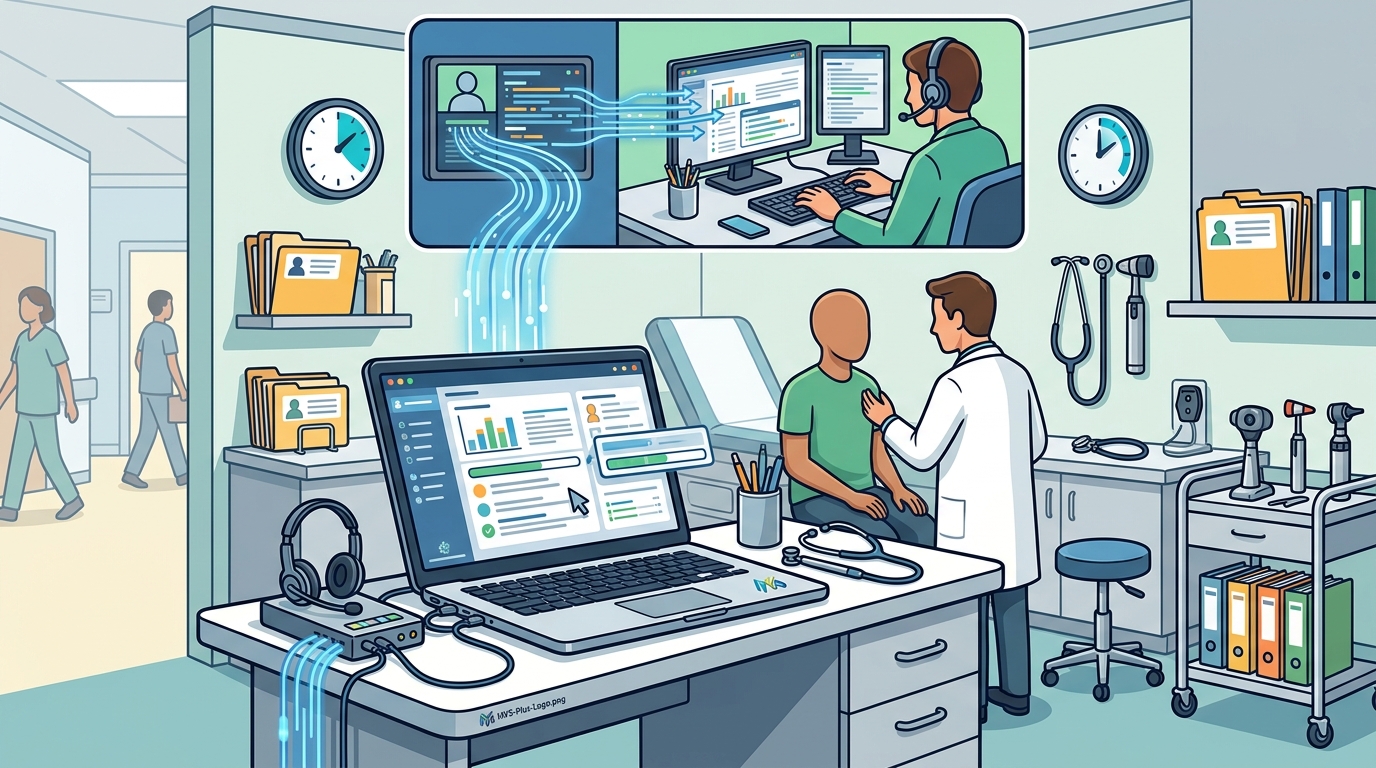
Traditional documentation often happens at the end of the day, creating a backlog of notes. Real-time documentation changes this by having a scribe listen to the encounter and type the note as it happens. This shifts the cognitive load from the physician to the scribe. The physician can maintain eye contact with the patient while the scribe handles the keyboard. For additional details, review the A Clinician s Path.
According to the American College of Physicians, clinical documentation involves complex and interrelated issues that require a clear path forward. This policy position paper highlights the need for better systems to manage these tasks. When a scribe is present, the physician does not have to switch between clinical thinking and clerical work. This separation of tasks is the core benefit of real-time support. For additional details, review the .
Impact on Physician Burnout and Time
Physicians often spend more time on documentation than on direct patient care. This administrative burden is a leading cause of burnout. By using real-time scribes, practices can reduce the time physicians spend on the computer. The scribe captures the history, physical, and assessment in real time. The physician then reviews and signs the note, which takes significantly less time than writing it from scratch.
Research indicates that ambient listening and AI-enabled documentation are changing how physicians interact with electronic health records. A pre-post study shows that these tools alter documentation metrics. While AI is evolving, human scribes provide a reliable layer of accuracy and context. They understand medical terminology and can structure notes to meet specific payer requirements. This human element ensures that the documentation is not just fast, but also high-quality.
Quality and Accuracy of Clinical Notes
Studies have assessed the quality of outpatient medical record documentation and found that it facilitates diagnosis and treatment. This research underscores the importance of thorough records. When a scribe is present, the note is often more complete. The physician can dictate the entire encounter without worrying about missing a key finding. This completeness reduces the risk of medical errors and improves the overall quality of care.
Integration with Electronic Health Records
Electronic health records (EHRs) are central to modern healthcare, but they can be cumbersome. Real-time documentation requires seamless integration with these systems. Scribes must be proficient in the specific EHR used by the practice. They need to know where to place each piece of information to ensure the note flows logically. This proficiency is crucial for efficiency.
Challenges in Implementation
Implementing real-time documentation is not without challenges. Practices must ensure that scribes are trained in their specific workflows. There is also the issue of privacy and security. Scribes must adhere to strict confidentiality standards. They need to understand the ethical implications of handling sensitive patient information.
In some regions, health workers face challenges such as a lack of time to complete records. This study highlights the global nature of documentation burdens. Even in well-resourced practices, the sheer volume of patients can overwhelm staff. Real-time scribes help mitigate this by handling the typing in real time. However, practices must still manage the workflow to ensure that scribes are available when needed. This requires careful scheduling and communication.
Key Takeaways
- Real-time documentation captures notes during the patient encounter, reducing after-hours work.
- Remote scribes allow physicians to maintain eye contact and focus on patient care.
- This approach reduces the cognitive load of switching between clinical and clerical tasks.
- Seamless integration with EHRs is essential for efficient real-time support.
- Proper training and privacy protocols are critical for successful implementation.
Frequently Asked Questions
How does a remote scribe document in real time?
A remote scribe joins the patient encounter via a secure audio or video link. They listen to the conversation and type the note into the EHR as it happens. The physician can review the note in real time or after the visit.
Does real-time documentation replace the physician's role?
Is real-time documentation secure?
Can scribes handle complex medical terminology?
Yes, vetted scribes are trained in medical terminology and specific specialties. They can accurately capture complex clinical details as dictated by the physician.
How much time does real-time documentation save?
It can significantly reduce after-hours charting time. By capturing the note in real time, physicians often spend less time reviewing and editing the final document.