

How Much Time Do Doctors Actually Spend on Paperwork Versus Patient Care?
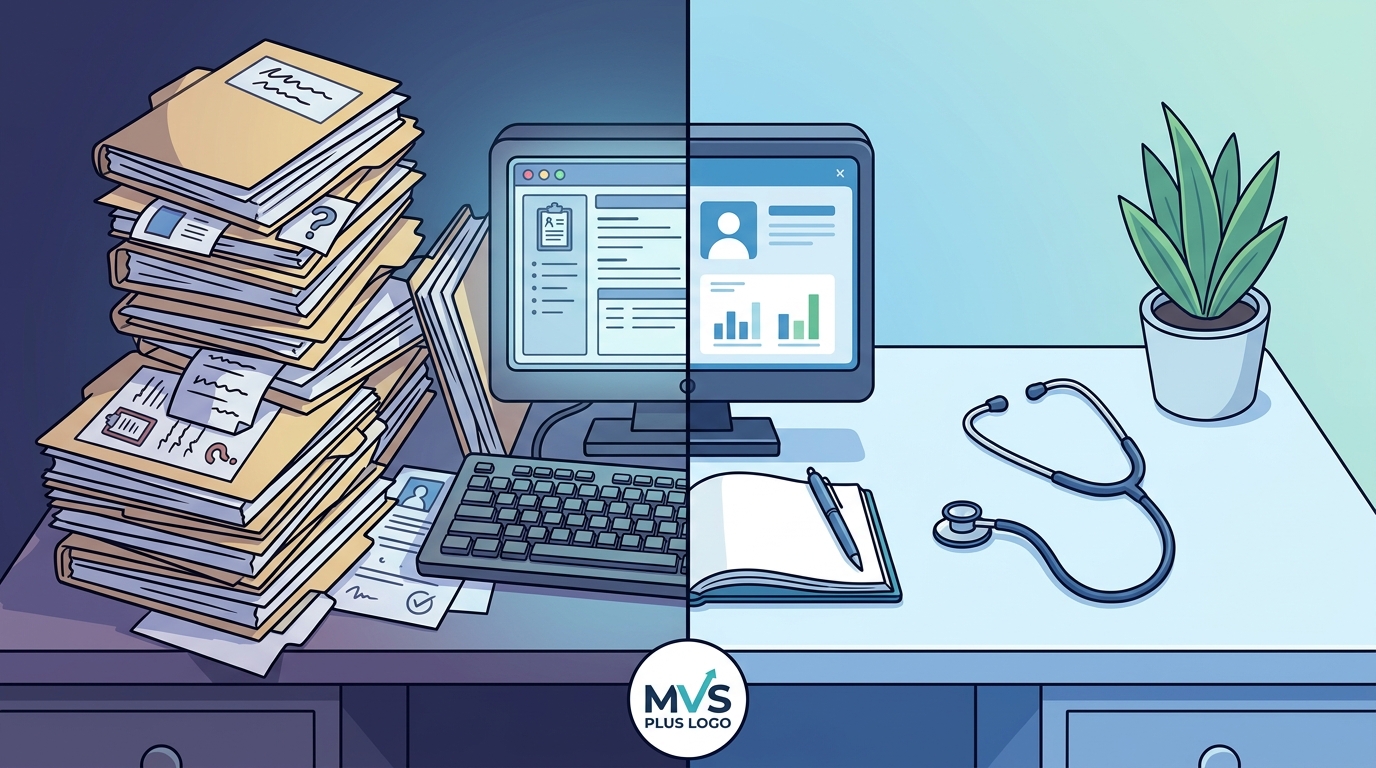
Physicians spend significantly more time on electronic health record (EHR) documentation than on direct patient interaction. This administrative burden, often called "pajama time," reduces the quality of care and contributes to physician burnout. By leveraging remote medical scribe services, practices can reclaim hours of daily documentation time, allowing doctors to focus on what they do best: treating patients. For additional details, review the myvirtualscribe us.
The Hidden Cost of EHR Documentation
Electronic health records are essential for modern healthcare, but they come with a significant time cost. EHR documentation is the process of recording patient data, clinical notes, and treatment plans in a digital system. Studies have shown that physicians spend nearly half of their workday on these administrative tasks. This time could otherwise be used for face-to-face patient care, which is the primary reason most individuals enter the medical field. according to How Much Sleep For additional details, review the About.
The impact of this time drain is profound. When doctors spend excessive time on paperwork, they have less energy and attention for their patients. This can lead to shorter appointment times, reduced empathy, and a higher likelihood of medical errors. The administrative burden is not just an inconvenience; it is a systemic issue that affects the entire healthcare ecosystem.
Why Paperwork Burdens Physicians
The complexity of modern healthcare requires detailed documentation for billing, legal protection, and continuity of care. However, the current EHR systems are often designed with a focus on data entry rather than user experience. This mismatch creates a frustrating and time-consuming process for doctors. Physician burnout is a state of emotional, physical, and mental exhaustion caused by excessive and prolonged stress. The constant pressure to complete documentation is a major contributor to this burnout.
Many physicians report feeling like they are working two jobs: one as a clinician and one as a data entry clerk. This dual role is unsustainable in the long term. It leads to high turnover rates and a shortage of available physicians. Addressing the documentation burden is not just about saving time; it is about retaining the medical talent that our healthcare system depends on.
The Impact on Patient Care Quality
When doctors are distracted by paperwork, the quality of patient care inevitably suffers. Patients may feel rushed or unheard during their appointments. The doctor's attention is split between the patient and the computer screen, which can reduce the depth of the clinical interaction. This lack of focus can lead to missed diagnoses or incomplete treatment plans.
Conversely, when doctors have more time for direct patient interaction, the quality of care improves. Patients feel more valued and understood. This leads to better health outcomes and higher patient satisfaction. The relationship between documentation time and patient care quality is inverse: as one goes up, the other goes down. Reducing the time spent on paperwork is a direct investment in better patient care.
How Remote Scribes Reduce Documentation Time
Key Takeaways
- Physicians spend nearly half of their workday on EHR documentation.
- This administrative burden contributes to physician burnout and high turnover.
- Excessive paperwork time reduces the quality of direct patient interaction.
- Remote medical scribes can significantly reduce documentation time.
- Reclaiming time for patient care leads to better health outcomes and higher satisfaction.
Frequently Asked Questions
How much time do doctors spend on paperwork?
Doctors spend an average of 91 minutes per day on EHR documentation, which is nearly half of their workday.
What is a remote medical scribe?
A remote medical scribe is a trained professional who documents patient encounters in real-time from a remote location.
Can remote scribes improve patient care?
Yes, by reducing documentation time, remote scribes allow doctors to focus more on direct patient interaction, which improves care quality.
Is My Virtual Scribe HIPAA-compliant?
Yes, My Virtual Scribe provides HIPAA-compliant services to ensure patient data is protected.
How does My Virtual Scribe work?
My Virtual Scribe connects practices with vetted and trained scribes who provide remote EHR support. Learn more: myvirtualscribe us.