

The Burden of After-Hours Documentation
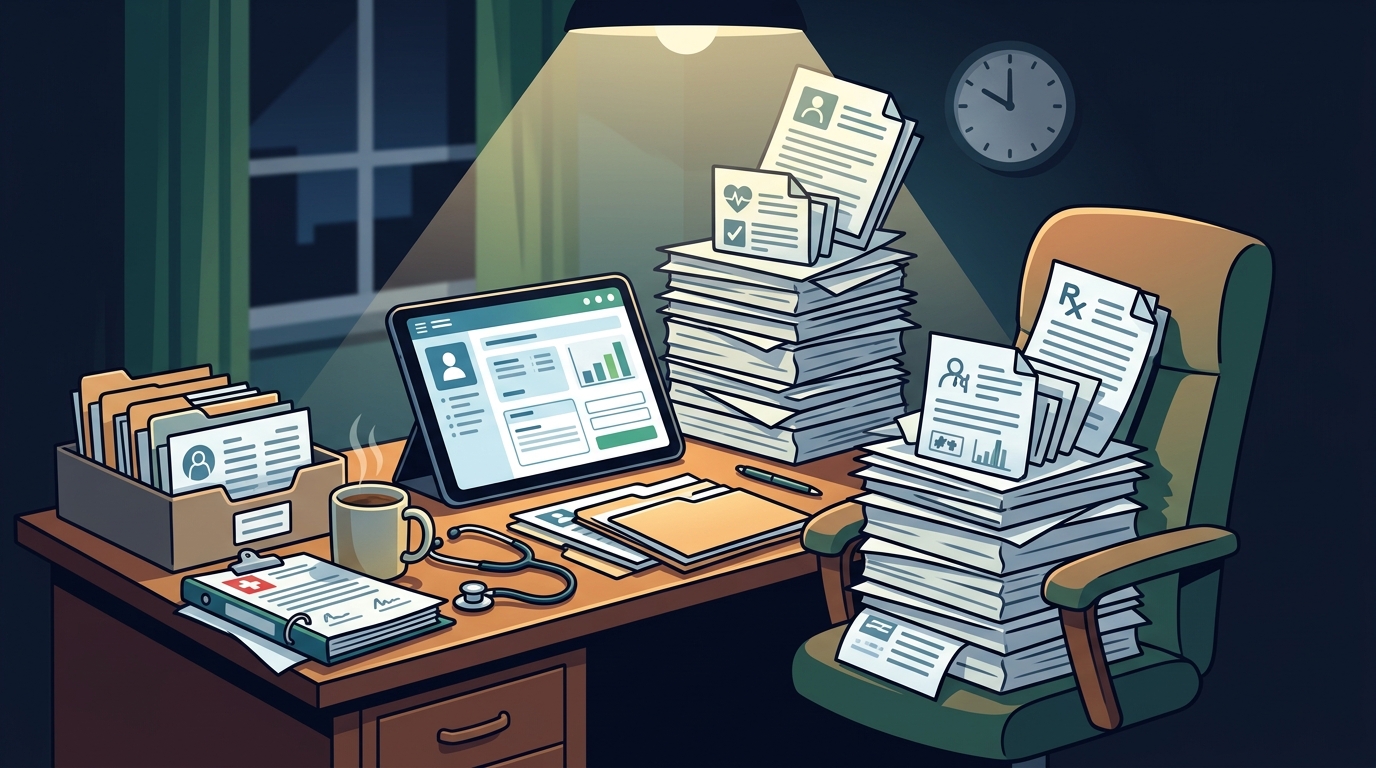
Physicians often face significant pressure to finish their electronic health record (EHR) notes before leaving the office. This task, known as after-hours documentation, is a primary driver of physician burnout. Many doctors spend several hours each evening typing notes, which detracts from personal time and family life. The cognitive load of switching from patient care to administrative typing is substantial and often leads to fatigue. For additional details, review the myvirtualscribe us.
Electronic health records are designed to capture detailed clinical information, but they require significant manual input. Without assistance, physicians must recall every detail of a complex visit to type it into the system. This process is time-consuming and prone to errors if performed late in the day. The accumulation of unfinished charts creates a persistent stressor that impacts overall job satisfaction. For additional details, review the .
My Virtual Scribe addresses this issue by providing remote medical scribes who work directly with physicians during their clinic hours. These scribes listen to the encounter and type the note in real-time. This ensures that the documentation is complete and accurate before the physician leaves the office. The result is a significant reduction in the time spent on after-hours charting. For additional details, review the Customer Experience.
Real-Time Capture vs. Retrospective Typing
Real-time documentation is a method where the clinical note is created during the patient encounter. This approach allows the scribe to capture details as they are spoken, ensuring accuracy. In contrast, retrospective typing requires the physician to recall the visit later, which is less efficient. Real-time capture is the core mechanism that enables physicians to finish their charts during working hours. For additional details, review the Frequently Asked Questions.
When a scribe is present, the physician can focus on the patient while the scribe handles the EHR. The scribe types the history, physical exam, and assessment and plan as the doctor dictates. This seamless workflow eliminates the need for the physician to sit at a computer after the last patient leaves. The note is ready for review and signature immediately after the encounter. For additional details, review the About.
My Virtual Scribe utilizes a remote model where the scribe joins the encounter via secure audio or video. This allows for real-time typing without the need for the scribe to be physically in the room. The physician can dictate from anywhere in the clinic, maintaining a natural flow of conversation. This flexibility is crucial for practices that may not have the space for an in-person scribe.
Impact on Physician Work-Life Balance
Reducing after-hours documentation directly improves physician work-life balance. When doctors can finish their notes during the day, they can leave the office on time. This allows them to spend time with family, pursue hobbies, or simply rest. The reduction in evening work hours is a significant benefit for many healthcare professionals.
Physicians who use remote scribes often report feeling more in control of their schedules. They are not tethered to their EHR after clinic hours. This freedom can lead to higher job satisfaction and lower rates of burnout. The ability to disconnect from work is essential for maintaining long-term career sustainability.
Compliance and Quality Assurance
Quality assurance is a critical component of any scribe service. My Virtual Scribe implements rigorous training and oversight to maintain high standards. Scribes are monitored for accuracy and compliance, ensuring that the notes are of high quality. This attention to detail helps to reduce the risk of audits and denials. It also ensures that the clinical record is a reliable source of information for future care.
By using a professional scribe service, physicians can ensure that their documentation is consistent and high-quality. This consistency is important for maintaining a reliable medical record. It also helps to streamline the workflow for other members of the care team. The result is a more efficient and compliant practice.
Key Takeaways
- Remote scribes capture clinical data in real-time, allowing physicians to complete charts during clinic hours.
- This approach significantly reduces the time spent on after-hours documentation, improving work-life balance.
- Real-time documentation is more accurate and efficient than retrospective typing.
- My Virtual Scribe provides vetted and trained scribes who understand medical terminology and EHR systems.
- Professional scribe services ensure that documentation is compliant with regulatory and payer requirements.
- Using a remote scribe service can help reduce physician burnout and improve job satisfaction.
Frequently Asked Questions
How do remote scribes work with physicians?
Remote scribes join patient encounters via secure audio or video. They listen to the conversation and type the note in real-time. The physician can dictate from anywhere in the clinic, and the scribe handles the EHR input.
Can remote scribes help with all types of specialties?
Is remote scribe documentation secure?
How much time can remote scribes save physicians?
Remote scribes can save physicians several hours each day on documentation. By completing notes in real-time, physicians can avoid spending their evenings typing charts. Learn more: myvirtualscribe us.